








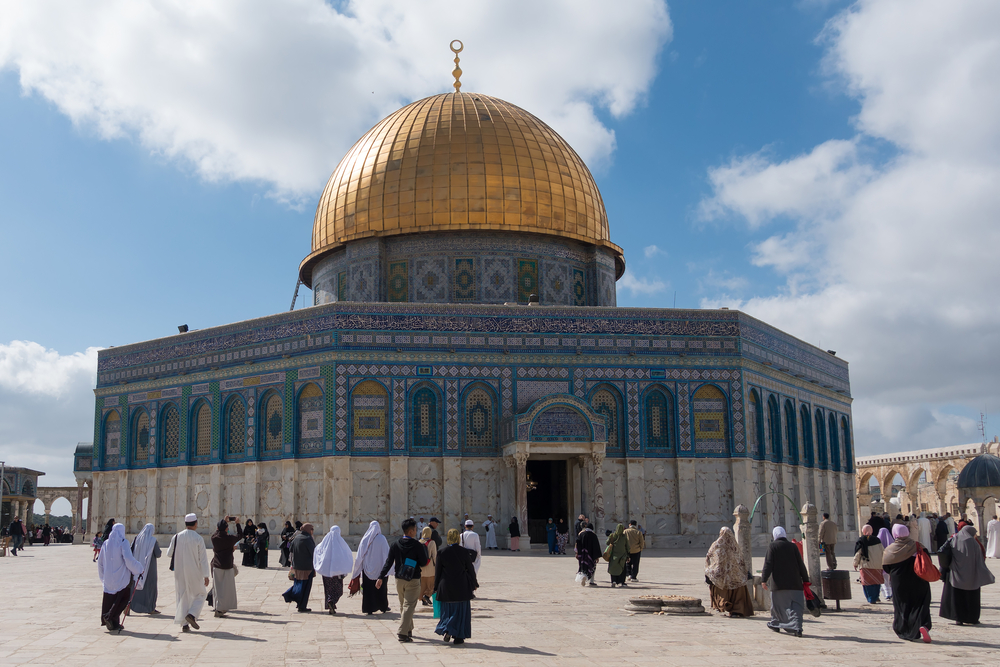
Located on the Shima Peninsula in Mie Prefecture, Ise City has some of the most sacred Shinto Shrines in Japan, notably the Ise Shrines (Ise Jingu). The two major shrines of Ise Shrines, the Inner Shrine (Naiku) and the Outer Shrine (Geku), separate from each other by a couple of kilometers. There are more than a hundred smaller shrines in the area.

NAGOYA – NOV 30 2015: The Port of Nagoya, located in Ise Bay, is the largest and busiest trading port in Japan, accounting for about 10% of the total trade value of Japan. (TungCheung / Shutterstock)

Ise, Japan – May 6, 2015: Skyline of the city of Ise, a city located on the eastern tip of Kii Peninsula, in central Mie Prefecture, on the island of Honsh?, Japan, facing Ise Bay. (StockStudio / Shutterstock)

NAGOYA JAPAN – DEC 7, 2015: Central Japan International Airport Centrair arrival hall. Central Japan airport is an airport on an artificial island in Ise Bay Aichi. (TungCheung / Shutterstock)

MIE, JAPAN – NOVEMBER 20, 2015: A train from Taki station to Ise, sacred a town that host one of the most important shrine in Mie Prefecture, Kansai region (cowardlion / Shutterstock)

Mie, Japan – DECEMBER 24, 2015: Oharai-machi, Historic Shopping Street Since the Edo Period (Jesse33 / Shutterstock)

MIE, JAPAN – NOVEMBER 20, 2015: Oharai-machi is the old-800 meter long pilgrimage road that leads to Ise Jingu inner shrine with traditional Edo architecture style (cowardlion / Shutterstock)

MIE, JAPAN – NOVEMBER 20, 2015: Anpanman small bag made for children put for sale at Oharai-machi is the old-800 meter long pilgrimage road that leads to Ise Jingu inner shrine (cowardlion / Shutterstock)

Ise, Japan at Ise Grand Shrine Hall for Special Prayer. (Copyright: Sean Pavone)

MIE, JAPAN – NOVEMBER 20, 2015: Ise Grand Shrine (Naiku – inner shrine, officially known as Kotai Jingu) dedicated to the worship of Amaterasu – the goddess of the sun (cowardlion / Shutterstock)

MIE, JAPAN – NOVEMBER 20, 2015: Ise Grand Shrine (Geku – outer shrine, officially known as Toyouke Daijingu) dedicated to Toyouke-Omikami, the deity of agriculture and industry (cowardlion / Shutterstock)

Japanese shinto Ise Grand shrine , Ise, Japan (Copyright: Barbora Kristofova)

MIE, JAPAN – NOVEMBER 20, 2015: Ise Grand Shrine (Naiku – inner shrine, officially known as Kotai Jingu) dedicated to the worship of Amaterasu – the goddess of the sun (cowardlion / Shutterstock)

MIE, JAPAN – NOVEMBER 20, 2015: Sake barrel at Ise Jingu Naiku(Ise Grand shrine – inner shrine) in Ise City, Mie Prefecture (cowardlion / Shutterstock)
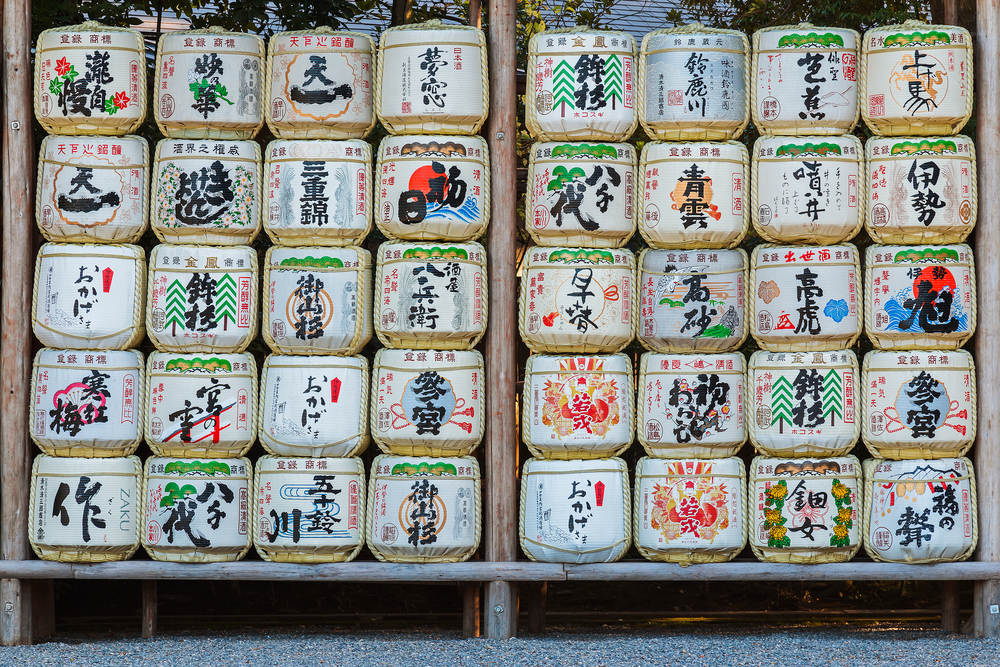
MIE, JAPAN – NOVEMBER 20, 2015: Sake barrel at Ise Jingu Naiku(Ise Grand shrine – inner shrine) in Ise City, Mie Prefecture (cowardlion / Shutterstock)

ISE, JAPAN – DEC 30, 2013: A group of Taiko drummers entertain the crowd of tourists in the Village of Okage Yokocho as part of the New Year’s festivities surrounding the shrine of Ise Jingu. (Eyefortheworld / Shutterstock)

Lantern in the garden of complex Ise Jingu, Japan (Copyright: Barbora Kristofova)
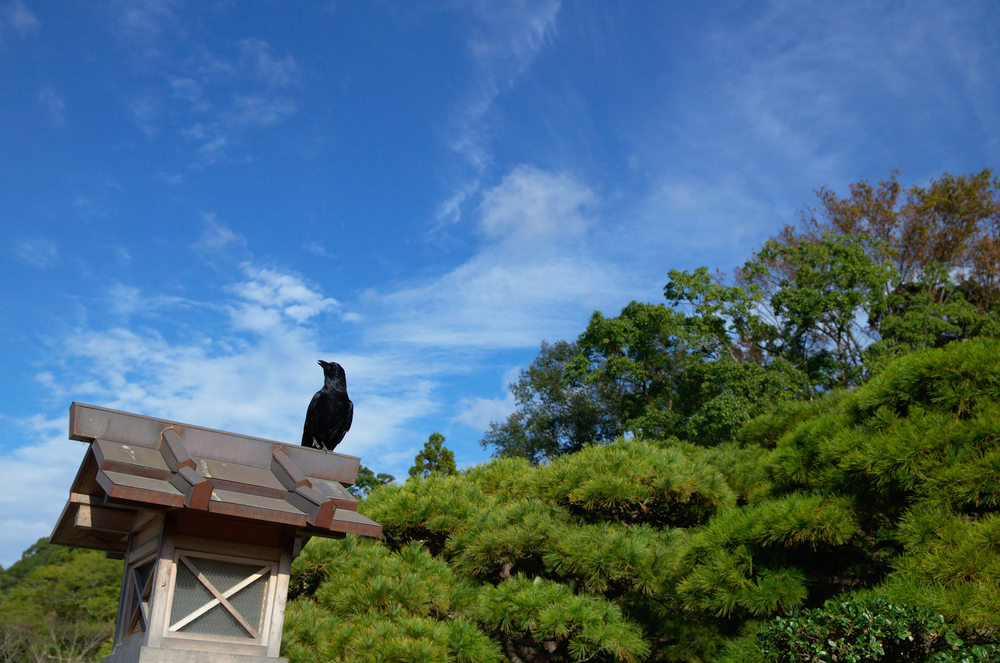
Japanese crow on a lantern in Ise shrine garden (Copyright: Andrea Mingaroni)

The God chicken of Ise jingu (Copyright: Japan Image)

Isuzu river that runs through Ise Jingu Naiku(Ise Grand shrine – inner shrine) (Copyright: cowardlion)

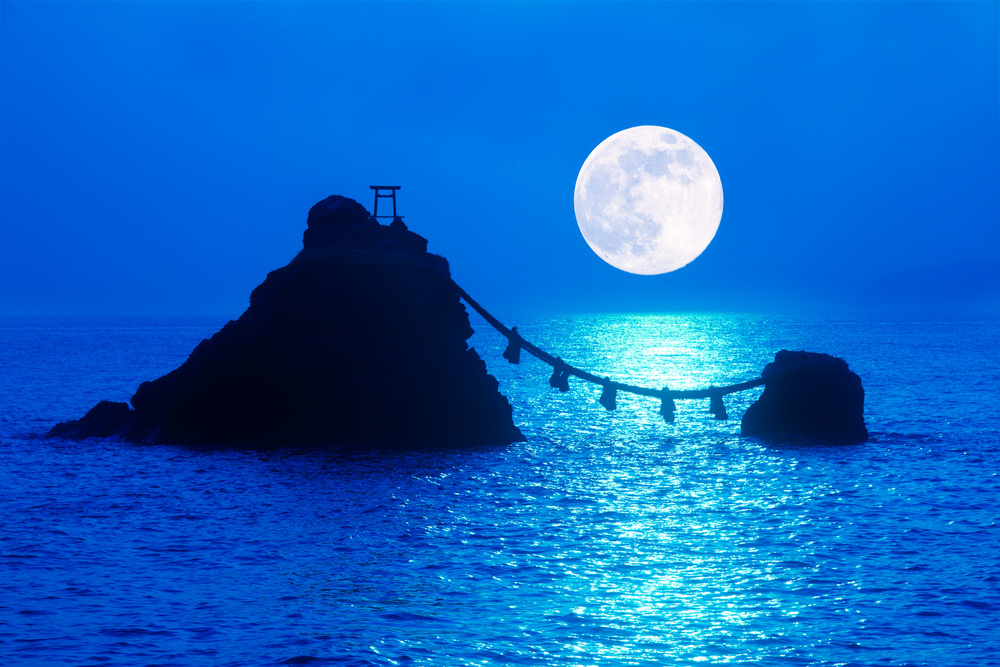
Meoto Iwa Rocks, Futami, Mie Prefecture, Japan. Known in English as the “wedded rocks,” they are considered sacred and represent husband and wife. (Copyright: Sean Pavone)

Sunset in Ise, Mie, Japan (Copyright: mokokomo)

MIE, JAPAN – NOVEMBER 20, 2015: Japanese student on a platform waits for a train home at Ise station (cowardlion / Shutterstock)

MIE, JAPAN – NOVEMBER 20, 2015: Japanese student on a platform waits for a train home at Ise station (cowardlion / Shutterstock)

MIE, JAPAN – NOVEMBER 20, 2015: Iseshi Station is a union railway station serves JR Central’s Sangu Line with 15.0 rail kilometers from the terminus of that line at Taki Station (cowardlion / Shutterstock)
The landmark Rock at night in Mie, Japan (Copyright: mokokomo)
Sacred Shrines in Japan
By Pinky Maniri
Shinto is the basic religion of Japan. Their gods are represented by objects such as rivers, sun, trees, rocks etc and even some deceased humans are considered to be Kami. Shinto Shrines are sacred places where Kami, the Shinto Gods reside. Kami is represented by a sacred object which is not for public viewing and is only taken out once a year during a festival for display. Shrines are frequently visited by devotees who pray and pay homage to their gods, and seek their blessings. People visit shrines on special occasions of their lives and festivals. The Torii, a symbolic gate marks the entrance of the shrine and is an important architectural aspect of the shrines.
The Meiji Shrine is located in Tokyo and is dedicated to Empress Meiji and his wife Empress Shoken. During the rule of the Emperor Meiji, Japan prospered and joined the ranks of powerful nations. The Emperor passed away in 1912 and a shrine was built in his honor in 1920. The shrine was damaged during World War II and was rebuilt again.
Sumiyoshi Taisha is the most important and perhaps the most ancient shrine in Japan. The foundation of the shrine was laid in the 3rd century and it has the typical architecture of the Japanese shrines. Sumiyoshi shrines are mostly located near the harbors for the protection of fishermen, travelers and sailors.
Another famous Shinto Shrine in Japan is the Fuji Sengen Jinja. It is erected at the base of Mt. Fiji and is dedicated to Konohanasakuya-hime. The shrine was originally built in 788 and it underwent reconstruction in the 17th century. The shrine is located in a thick forest in the town of Fujiyoshida. A tree lined passage with stone lanterns leads to the shrine. There is an 18m high wooden torii gate. The highlights of the shrine are three sacred trees known as the Goshinboku. They are at least a thousand years old and are known to guard the shrine.
The Grand Ise Shrine is located in the city of Ise and is perhaps the most sacred shrine in Japan. It actually comprises of two shrines the outer shrine Geku; built in the 5th century, this shrine is dedicated to Toyouke the Kami of housing, food and clothing. While the inner shrine Naiku is dedicated to the sun goddess Amaterasu. It was built in the 3rd century. The two shrines are simple but extremely impressive and are rebuilt after every twenty years in accordance with Shinto traditions.
Ms. Pinky is a mom of 3 school children. She is a Systems Engineer, a Technology Researcher and an Independent Medical Billing and Coding Consultant. She and her family is well-traveled all over the world!
Her blogs and websites focuses on stay-at-home moms, dads and students who wants to work at home, build home-based business [http://www.mommyisworkingathome.com].
Visit her Interesting Site on Asian Travels and Destinations. Discover Asia’s Culture and Great Food! at http://www.goingplacesinasia.com
Article Source: http://EzineArticles.com/expert/Pinky_Maniri/23183
http://EzineArticles.com/?Sacred-Shrines-in-Japan&id=6099314


